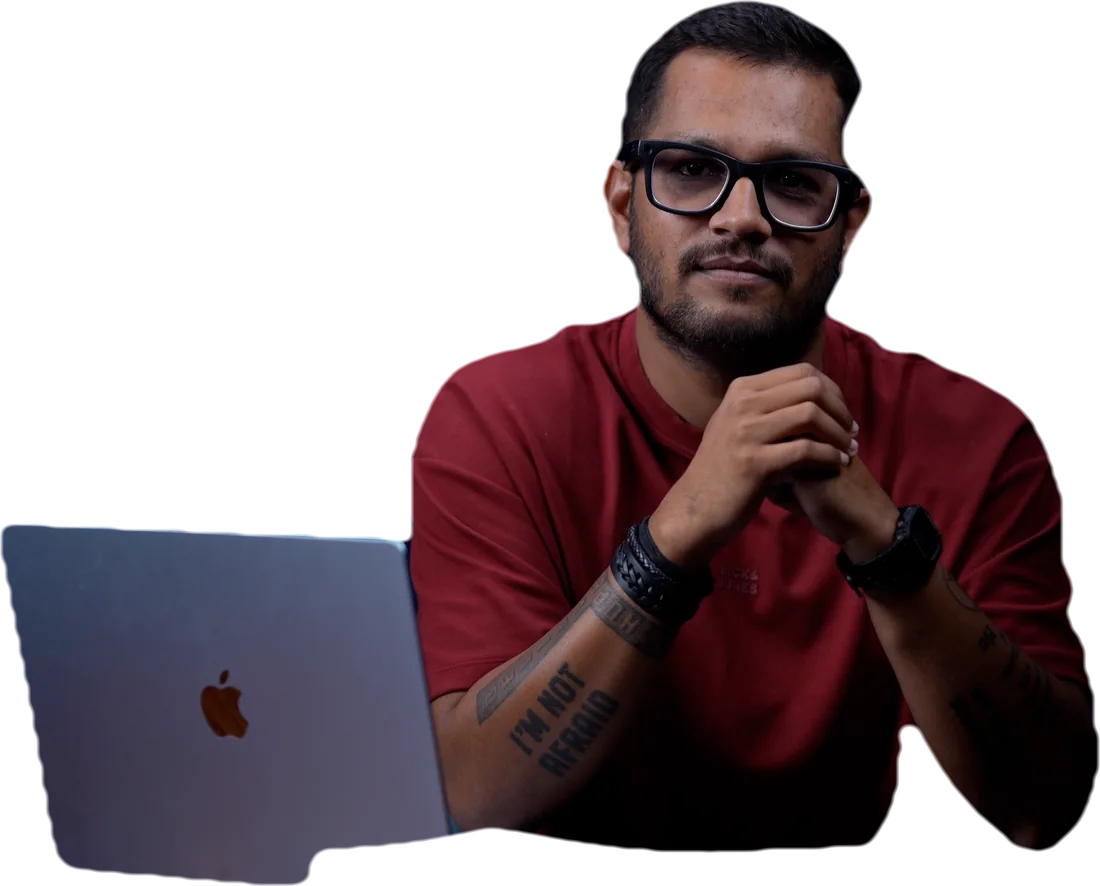
AI automation keynote speaker: build the system before you hire
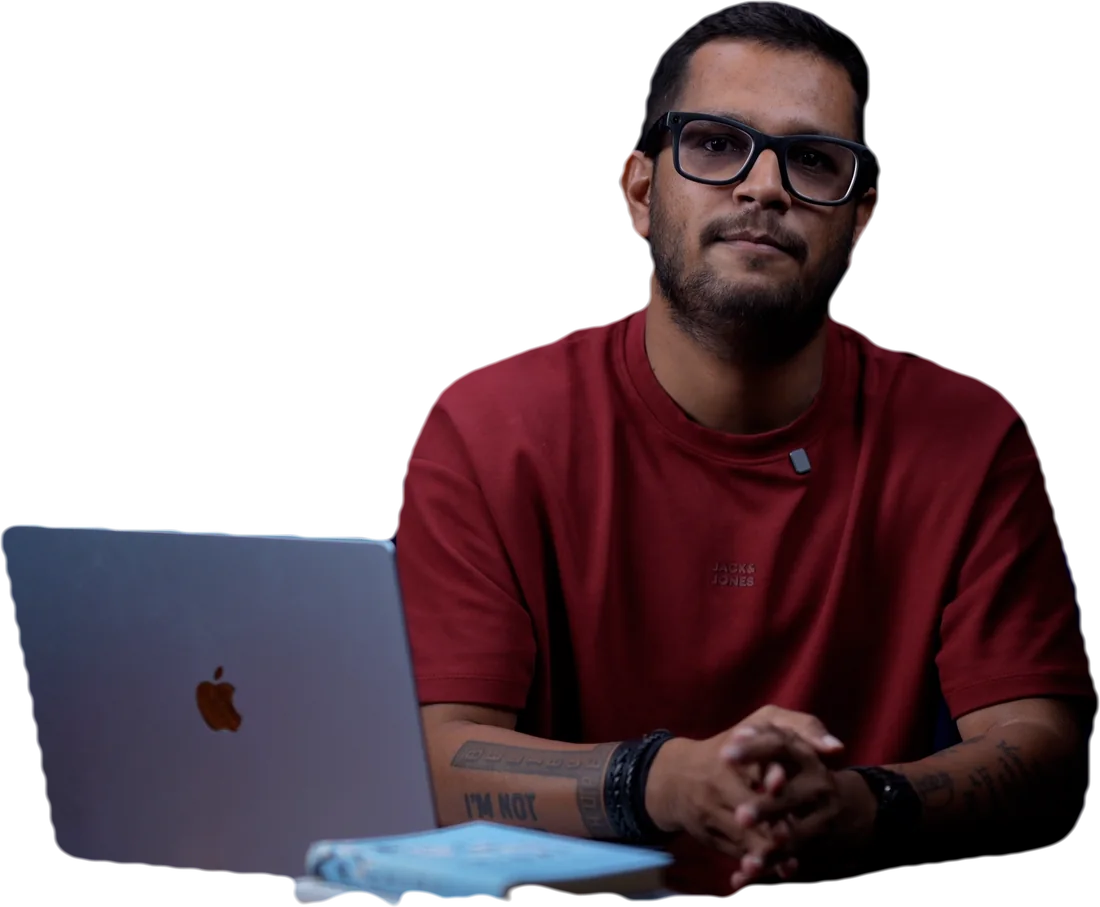
I'm Bhavik Sarkhedi, a serial entrepreneur with three bootstrapped exits. I grew one company from two people to seventy-five, and today I run thirteen business jobs alone on AI systems I built. My keynote shows your audience which jobs to hand to AI first.
- Three bootstrapped exits
- 2 to 75 people, no funding
- 13 jobs alone, on AI systems
- Ahmedabad, India
Most teams hand AI the wrong job first
When a business owner asks me where to start with AI, they usually name the job they dislike most. That is rarely the right first job. The right first job repeats every week, has a clear finished result, and costs little when a draft is wrong. Prospect research before a sales call fits. So do proposal first drafts and client onboarding emails. Pricing a custom project does not fit, and I explain why on stage.
I learned this by doing it the expensive way. For years I solved every growth problem by hiring. Write Right, my second company, went from two people to seventy-five without outside money, and I sold it in 2023. Today I work alone, and the work of a small company still gets done: thirteen separate jobs, each on its own system built in Claude. I described a normal week of it in my founder note on this site.
My rule for a business audience: write the system first, and hire when the system is full.
Three short videos on working with AI
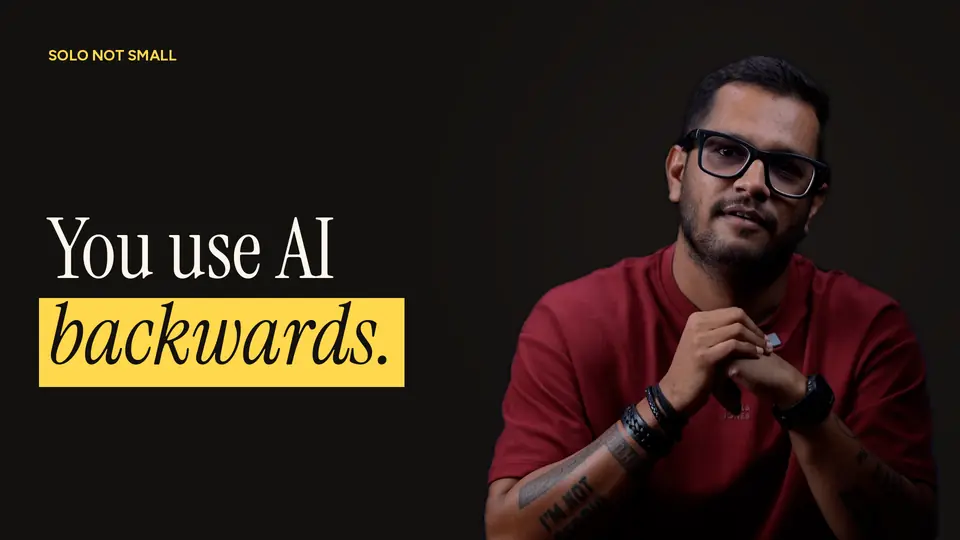
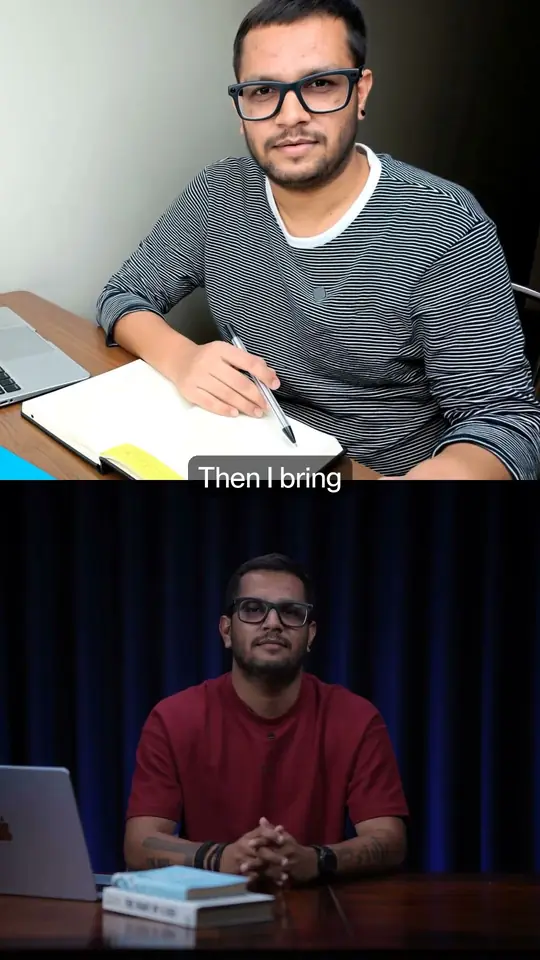
These are my own videos. Play one before you write to me. A minute is enough to tell if the way I explain things suits your room.
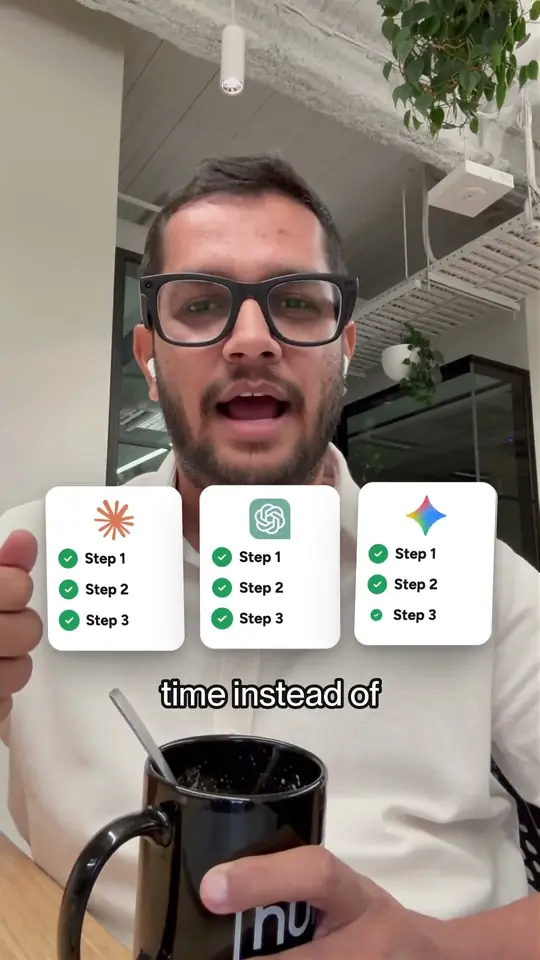
What your audience hears

The thirteen jobs inside every small business
I list the jobs a small company hires for, from the proposal writer to the onboarding desk, and ask the room to mark the ones they personally do each week.
Which jobs go to AI first
Three questions decide it: does the job repeat, is the finished result clear, and what does a wrong draft cost? I run the questions live on jobs the audience calls out.
One system, opened on screen
I open a real project and show its instructions, its files and its checklist, so the audience sees a working system and the difference between that and a single prompt.
The two jobs I keep
Two of the thirteen stay with me. I name them, explain why, and take questions.
The talk runs 45 to 60 minutes with questions, as a keynote, a fireside chat or an online session. The examples change with the room. A chamber of commerce hears about hiring and margins. A founder event hears about the first year alone. A company offsite hears about one team's repeated work.
Audiences this keynote fits
Owners with 5 to 50 people
They are deciding the next hire. The talk gives them a way to test whether a system can do that job first.
Early-stage and solo founders
They do every job themselves. The talk shows which jobs to hand over first and which to protect.
Operations, sales and marketing teams
Each team leaves with one repeated job mapped as a system, ready to build the following week.
The same material as a half-day or full-day workshop
A keynote changes what a room believes. A workshop changes what a team does the next Monday. For teams, I run the talk as a working session where people build on their own work, on their own laptops.
| Half-day | Full-day | |
|---|---|---|
| The team maps | Every job it repeats in a week | The same map, with the hours each job takes |
| The team builds | One working system for one job | Three systems, each tested on real work from that week |
| The team leaves with | A written system and its checklist | Three systems and a named owner for each |
| Needs | A screen and a laptop per pair | A screen, a laptop each and the week's real tasks |
Fee on request for both formats. The leadership version of the workshop, on what Google and AI say about your senior team, is on personengineoptimization.com.
A few pictures of me at work
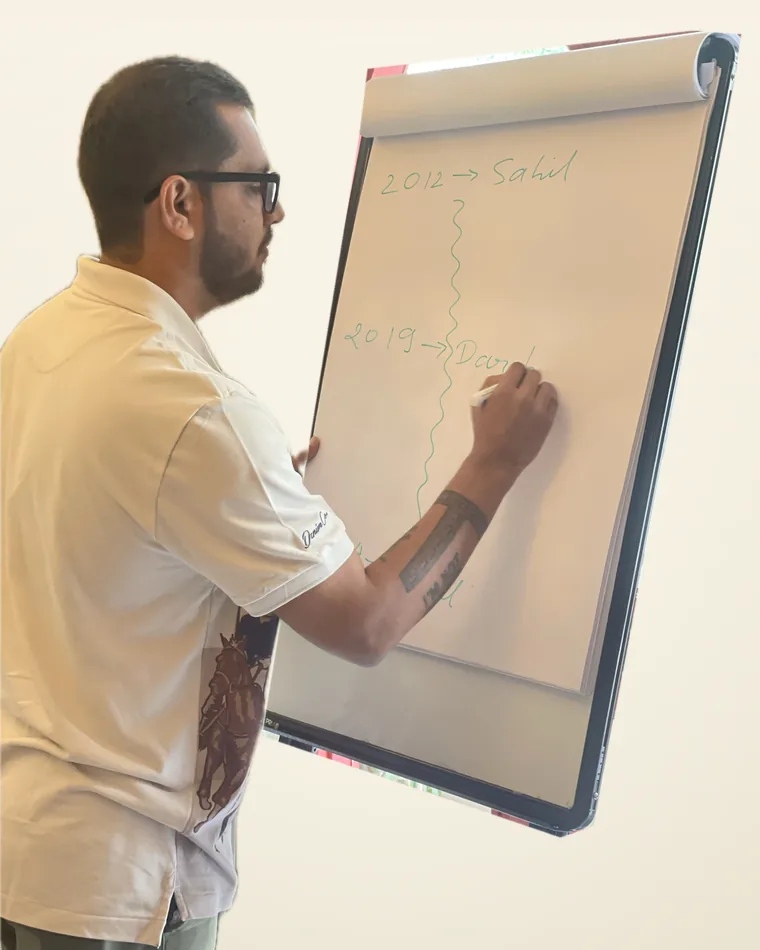
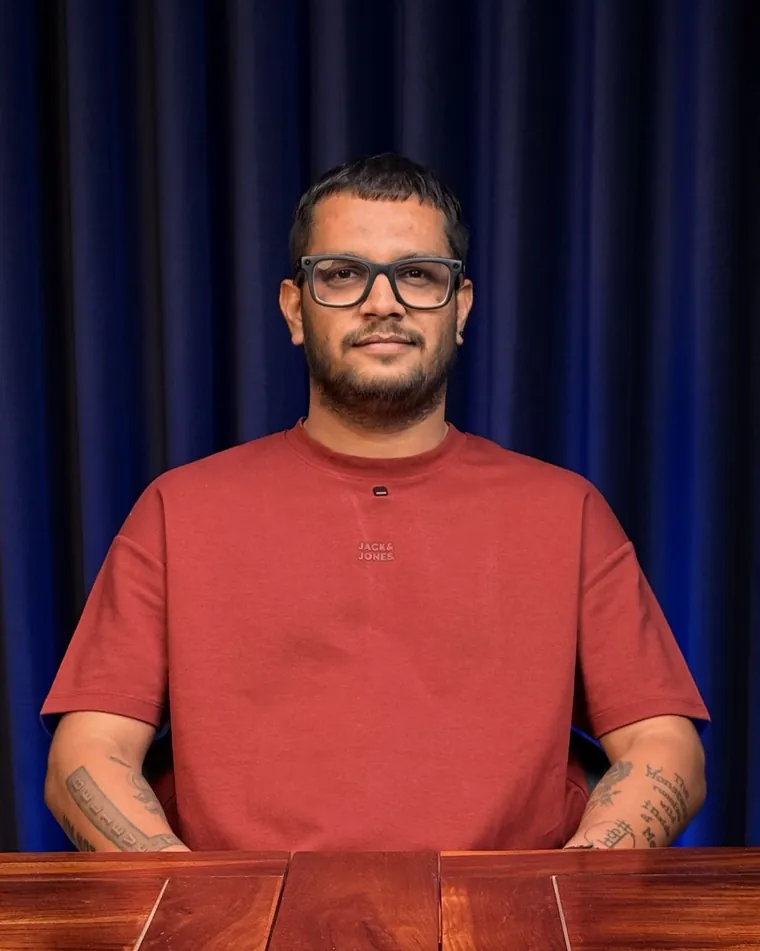
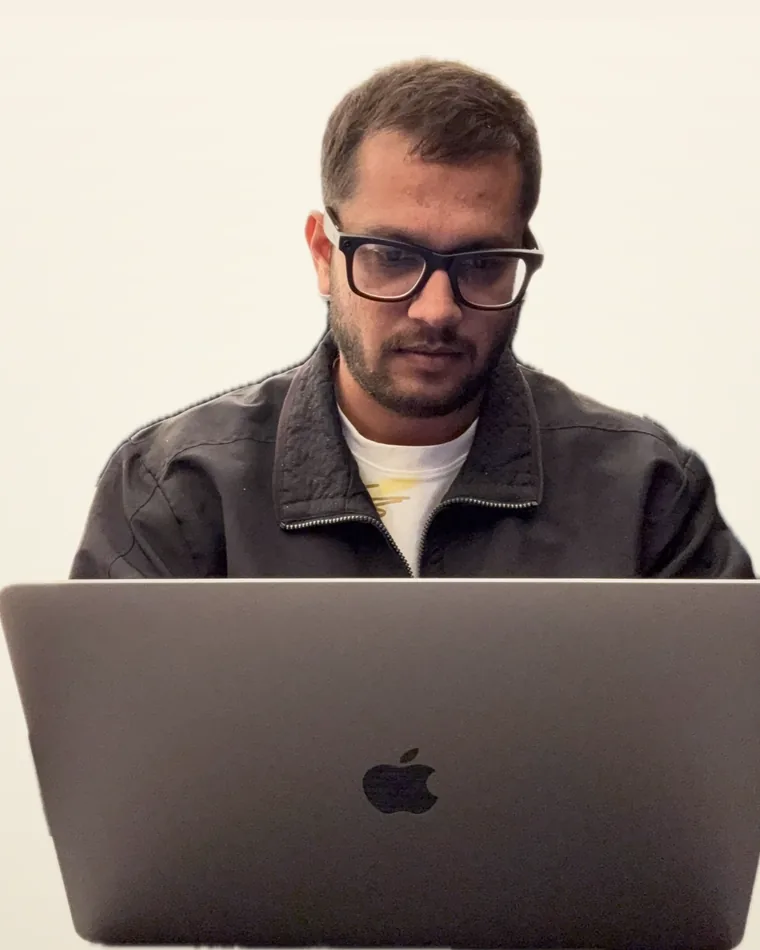
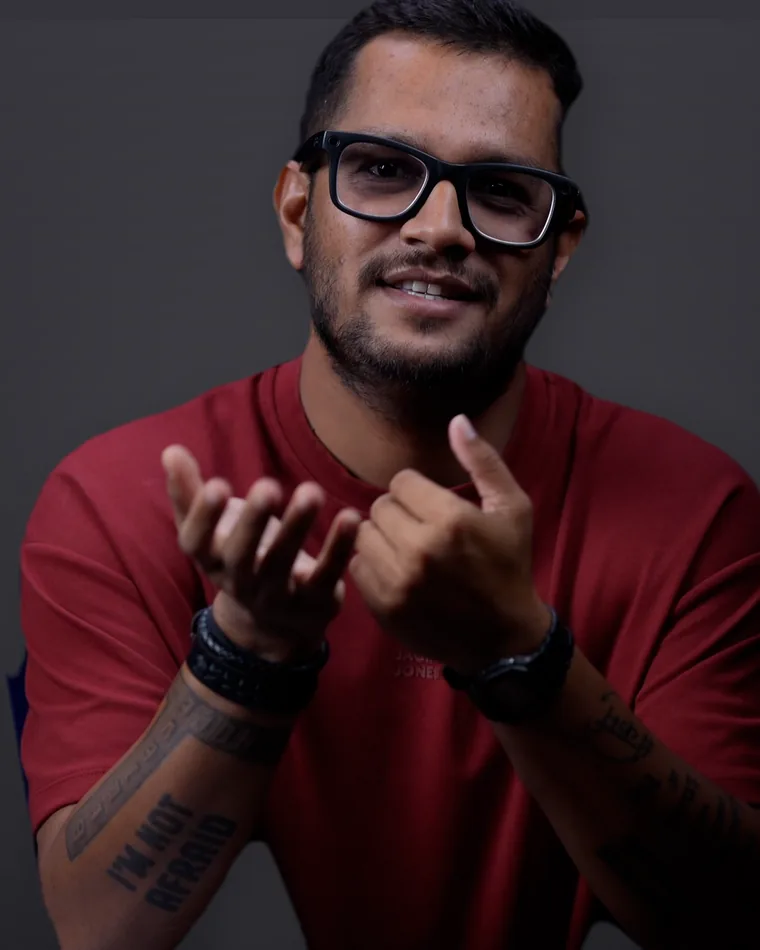


1 / 6 · Tap the photo for the next one
- Jaipur, July 2025Writing on the flip chart
- Ahmedabad, October 2026The studio where I record
- Melbourne, August 2025At work on the laptop
- Ahmedabad, October 2026Explaining, in the studio
- Studio portraitBlack blazer
- October 2025Full length, formal
A serial entrepreneur with three bootstrapped exits
I'm Bhavik Sarkhedi. I left a mechanical engineering job to write, and the writing turned into three companies. I built all three without outside money and I have exited all three.
Now I build Solo Not Small for one-person businesses, from Ahmedabad. The keynote comes from that daily work, so every example on stage is something I ran that month.
- Dad of AdMy advertising agency. Sold in 2021.
- Write RightA writing company I grew from two people to seventy-five with no outside money. Sold in 2023.
- BlushushMy third exit, in October 2026.
Featured in The New York Times, Forbes, Fast Company, HuffPost and Entrepreneur. I have written 21+ books. Full speaker profile and both talks.
Two talks, one speaker
A one-person business with AI
The talk on this page. Your audience leaves knowing which jobs to hand to AI first, and which two to keep.
Person Engine Optimization
How Google and AI get to know a name, with a 15-minute check your audience can run on their own name.
Where I have spoken so far
| Year | Where | What |
|---|---|---|
| 2020 | TEDxYouthAundh | Selected as a speaker. COVID stopped the event. |
| 2022 | Crossword, Ahmedabad | Book talks for my novel The Unproposed Guy. |
| 2025 | Melbourne, Australia | Hosted a founders' meetup. |
| Podcasts | The Career Show; a conversation with Deepak Gautam | Guest. |
There is no stage video yet. The videos I share are studio talks, and if your event films the talk I ask for a copy.
Read next on ChatGPTalker
“You decide the menu and let AI do the chopping.”From my video: Most people use AI backwards: write first, then let AI work on your draftWatch the videos
What event organisers ask me
What does an AI automation keynote cover?
Which business jobs to hand to AI first, how a working system differs from a prompt, and the two jobs I keep for myself. I open one real system on screen.
What is your fee?
Fee on request. Email the date, the city and who is in the room, and I reply with the fee and my available dates.
Do you travel, and do you work online?
Yes to both. I'm based in Ahmedabad and travel across India and abroad. Online sessions run with live questions.
Can a non-technical audience follow it?
Yes. I show finished work and the instructions behind it in plain language. The audience needs laptops only in the workshop format.
What does the workshop need from us?
A room with a screen, a laptop per person or per pair, and the list of jobs your team repeats each week.
Is there a video of you on stage?
Not yet. The videos I share are studio talks. If your event films the talk, I ask for a copy.
Tell me the date, the city and who is in the room
I reply with the fee and my available dates. If another format would serve your audience better, I say so in the same reply.
bksarkhedi78@gmail.com